ENGLISH
"TOKYO POP CHRONICLE" is a concert that traces the lineage of Tokyo-born pop music and revives its charm for the modern era. By reconstructing the flow of urban music—beginning with Happy End and Sugar Babe—through cross-generational performances and talk sessions, the event connects the past with the present. Rather than mere nostalgia, this initiative allows audiences to experience a TOKYO POP that resonates into the present and future.
 Performers
 Liner Notes

The Melody of a Metropolis
The melodies spun by the city of Tokyo—this metropolis has given birth to countless pop masterpieces. At times mimicking the rustle of skyscrapers, at others mirroring the shimmer of neon lights, these songs have served as the ultimate urban soundtrack, defining every era they touched. "TOKYO POP CHRONICLE" is more than a concert; it is a journey through space and time. It reimagines Tokyo-born pop music, allowing audiences to relive the eras that shaped it, while projecting its vibrant resonance into the present and far into the future.
If we are to chart a true chronicle of this musical landscape, our starting point is the early 1970s. It begins with Happy End, who laid the foundation for Japanese rock under the poetic keyword of Kazemachi (City of Wind). From there, a constellation of artists ventured out into the DOWN TOWN, unlocking the doors to a new era of pop. They expanded the horizon with dazzling pop songs that captured "the brilliance of the sky and the sea" (Sora to Umi no Kagayaki).
Soon after, Yoshitaka Minami—backed by jazz and bossa nova roots—crafted a highly sophisticated urban soundscape. Amii Ozaki introduced a cute yet deeply personal, semi-autobiographical lyricism, while Bread & Butter bridged the suburban tides of Shonan seaside with the heartbeat of urban Tokyo, adding immense depth to the movement. As the 1980s dawned, Masamichi Sugi pushed this lineage into an even catchier, sleeker dimension. Behind this meticulous sound-crafting stood the indispensable genius of studio musicians, epitomized by Caramel Mama and Tin Pan Alley. Today, half a century later, the urban pop they created has been rediscovered and reevaluated globally by a whole new generation of listeners under the banner of "City Pop."
For this milestone event, legendary guest musicians like Tatsuo Hayashi and Ray Ohara will take the stage. They are joined by a powerhouse house band featuring cross-generational virtuosos such as Hiroshi Takano and Ren Takada. Their inclusion is highly symbolic—not a mere passing of the torch, but a living hub that connects the past directly to the present. Furthermore, setting this event apart from a standard concert is the addition of dedicated talk sessions. Words spoken by icons like Takashi Matsumoto and Sachiko Kanenobu, who walked alongside the dawn of Japanese rock, will breathe multi-dimensional life into this rich chronicle.
"TOKYO POP CHRONICLE" is by no means a nostalgic throwback. While it traces the lineage of Tokyo's urban music, it serves as a creative canvas to explore how these timeless songs resonate in the Tokyo today—and of tomorrow. Let us pause and tune our ears once more to the enduring melody this city has never stopped playing.
 Chronology
| YEARyear | TOKYO POP CHRONICLEmusic | Society & Eventssociety |
|---|---|---|
| 1969 | Takashi Matsumoto debuts as a drummer for the band "April Fool" (April Fool = Chu Kosaka, Haruomi Hosono, Takashi Matsumoto, etc.) | Apollo 11 moon landing |
| Bread & Butter debut | "Woodstock Festival" held in the USA | |
| The band "Valentine Blue" is formed (Takashi Matsumoto, Haruomi Hosono, Shigeru Suzuki, Eiichi Ohtaki) | Shibuya BYG opens | |
| 1970 | The band "Happy End" is born (renamed from Valentine Blue) | The Beatles disband |
| Album "Happy End" released | Osaka World Expo held | |
| 1971 | Sachiko Kanenobu's solo debut single "Toki ni Makasete" / "Hoshi no Densetsu" | McDonald's 1st store in Japan opens in Ginza |
| Happy End's album "Kazemachi Roman" released | ||
| 1972 | Ginji Ito's band "Goma no Hae" makes its major debut | Okinawa returned to Japan |
| Sachiko Kanenobu's solo album "Misora" released | Sapporo Winter Olympics held | |
| Ray Ohara joins "Sadistic Mika Band" as a bassist | ||
| Tatsuo Hayashi starts activities with "Caramel Mama" (Haruomi Hosono, Shigeru Suzuki, Tatsuo Hayashi, Masataka Matsutoya) | ||
| "Happy End" officially disbands | ||
| 1973 | Happy End's single "Sayonara America Sayonara Nippon" released | First Oil Crisis |
| Happy End's album "HAPPY END" released | End of the high economic growth period | |
| Haruomi Hosono's "HOSONO HOUSE" released | Small theater "Shibuya Jean-Jean" opens | |
| Yoshitaka Minami's "Matenro no Heroine" debut (produced by Takashi Matsumoto) | ||
| 1974 | "Caramel Mama" changes its name to "Tin Pan Alley" | Expansion of FM radio culture |
| Sadistic Mika Band's "Kurofune" released | 1st convenience store, 7-Eleven, opens | |
| 1975 | Shigeru Suzuki & Hucklebuck's "BAND WAGON" released | Aoyama Pied Piper House opens |
| Sugar Babe's "SONGS" released | Okinawa Ocean Expo held | |
| Takashi Matsumoto writes the lyrics for "Momen no Handkerchief" | Vietnam War ends | |
| 1976 | Ginji Ito, Tatsuro Yamashita & Eiichi Ohtaki's "NIAGARA TRIANGLE Vol.1" released | Home stereo boom; Harajuku Crocodile opens |
| Amii Ozaki debuts with the single "Meiso / Fuyu no Poster" | Lockheed scandal: former Prime Minister Tanaka arrested | |
| 1977 | Masamichi Sugi debuts with the single "Omoide no Uzu" | Suburbanization spreads along JNR and private railway lines; home stereos proliferate |
| Taeko Onuki's "SUNSHOWER" released | Harajuku/Shibuya youth culture expands; LOFT | |
| Tatsuro Yamashita's "SPACY" released | Cassette tape culture becomes established | |
| 1978 | Yellow Magic Orchestra (YMO) is formed (Haruomi Hosono, Ryuichi Sakamoto, Yukihiro Takahashi) | May: Narita International Airport opens |
| Haruomi Hosono's "Paraiso" released | "Saturday Night Fever" boom; disco culture expands |
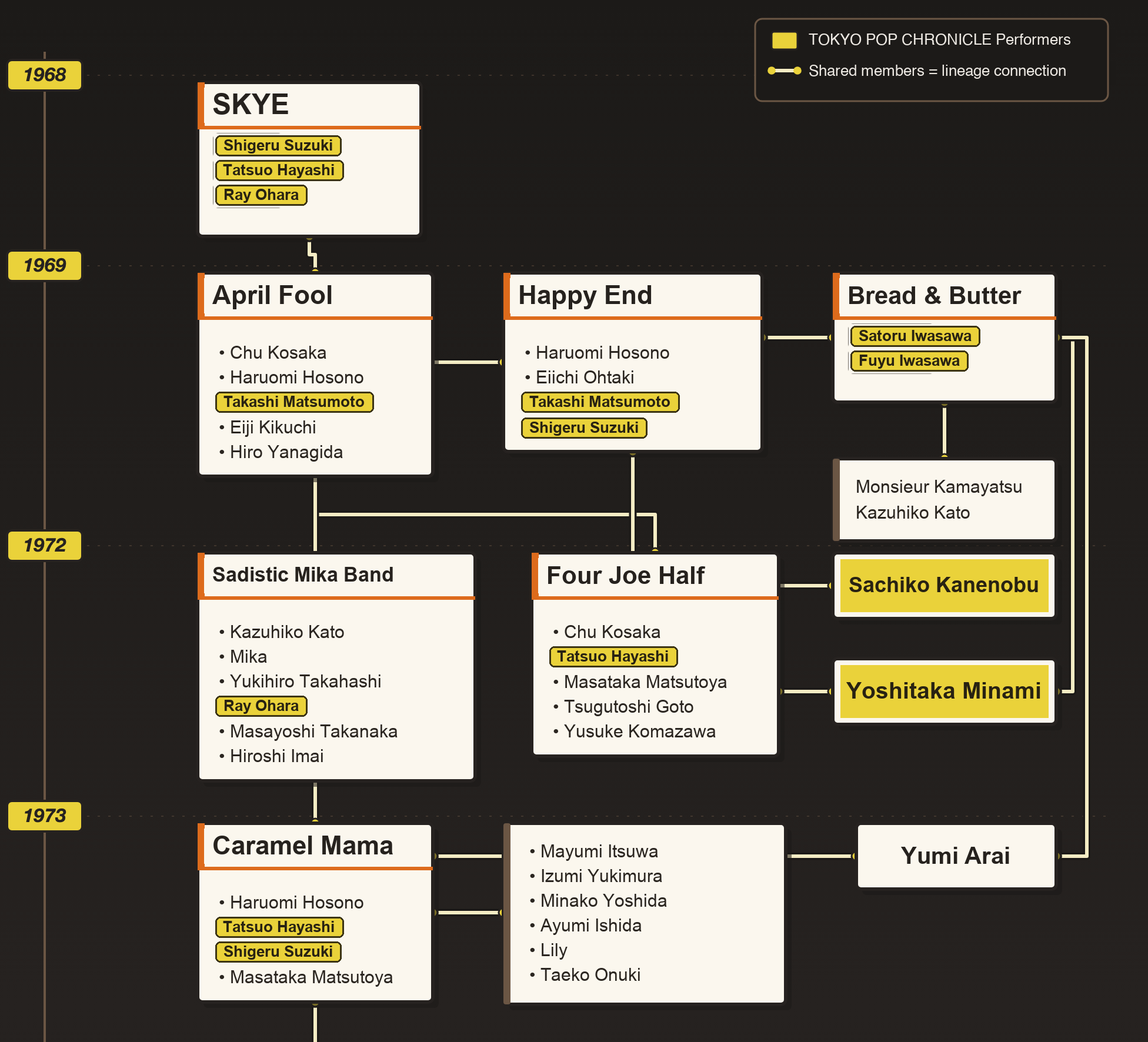
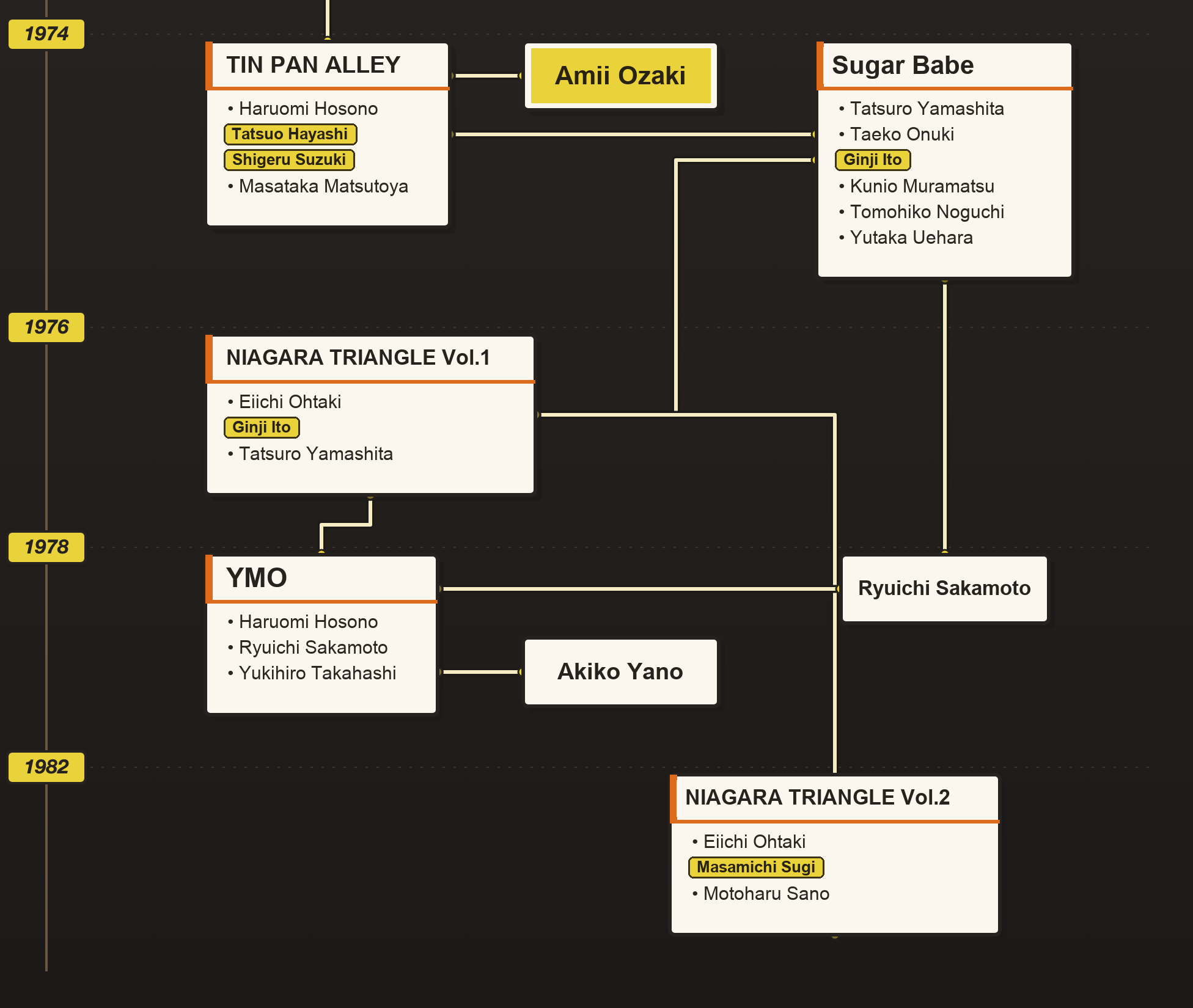
 Family Tree
 Ticket Info
U-22 tickets are for patrons aged 22 and under. They are sold as same-day exchange vouchers from the general sale date.
* Preschool children are not permitted to enter.
(Until Wed, Sep 23, 2026, 23:59)
 Access
- About 5 min. walk from "Tokyo Big Sight Station" (Yurikamome Line)
- About 9 min. walk from "Kokusai-Tenjijo Station" (Rinkai Line)
 For Our Guests
[Tickets & Admission]
- Each person must be a ticket holder for entry.
- Preschool children are not permitted to enter.
- Reselling tickets for commercial purposes or listing them on auctions is strictly prohibited. In the event that such activities are discovered, admission will be denied. Furthermore, the organizers will take absolutely no responsibility for any trouble caused by unauthorized ticket resale.
- Doors open and show start times are subject to change. Tickets will not be refunded under these circumstances. Please also note that no refunds will be given if the performance is terminated midway due to natural disasters or unforeseen events.
- Tickets will not be reissued under any circumstances, including loss or theft.
- ID checks may be conducted at the time of entry. Please be sure to bring a government-issued photo ID.
- Patrons who require wheelchair seating should purchase a ticket first and then contact Sunrise Promotion Tokyo.
<U-22 Tickets>
- U-22 tickets are available for guests aged 22 and under. These will be sold as "same-day exchange vouchers" starting from the general ticket sale date.
- Your ID that can verify your age will be checked on the day of the show.
[Other Policies]
- Photography, video recording, and audio recording during the performance are strictly prohibited.
- Any behavior inside or outside the venue that causes a nuisance to other guests, or failure to follow the instructions of the staff, may result in forced eviction or denial of entry. In such cases, no ticket refunds will be given. Please note in advance that the organizers will not be involved in any disputes between customers.
- If any criminal activity, such as groping or theft, is discovered, the offender will be handed over to the police immediately. If you witness any criminal activity inside the venue, please report it to the nearest staff member.
- Please note that cameras for video recording and photography will be present at this performance. The recorded footage and photos may be used for commercial releases or promotional purposes.
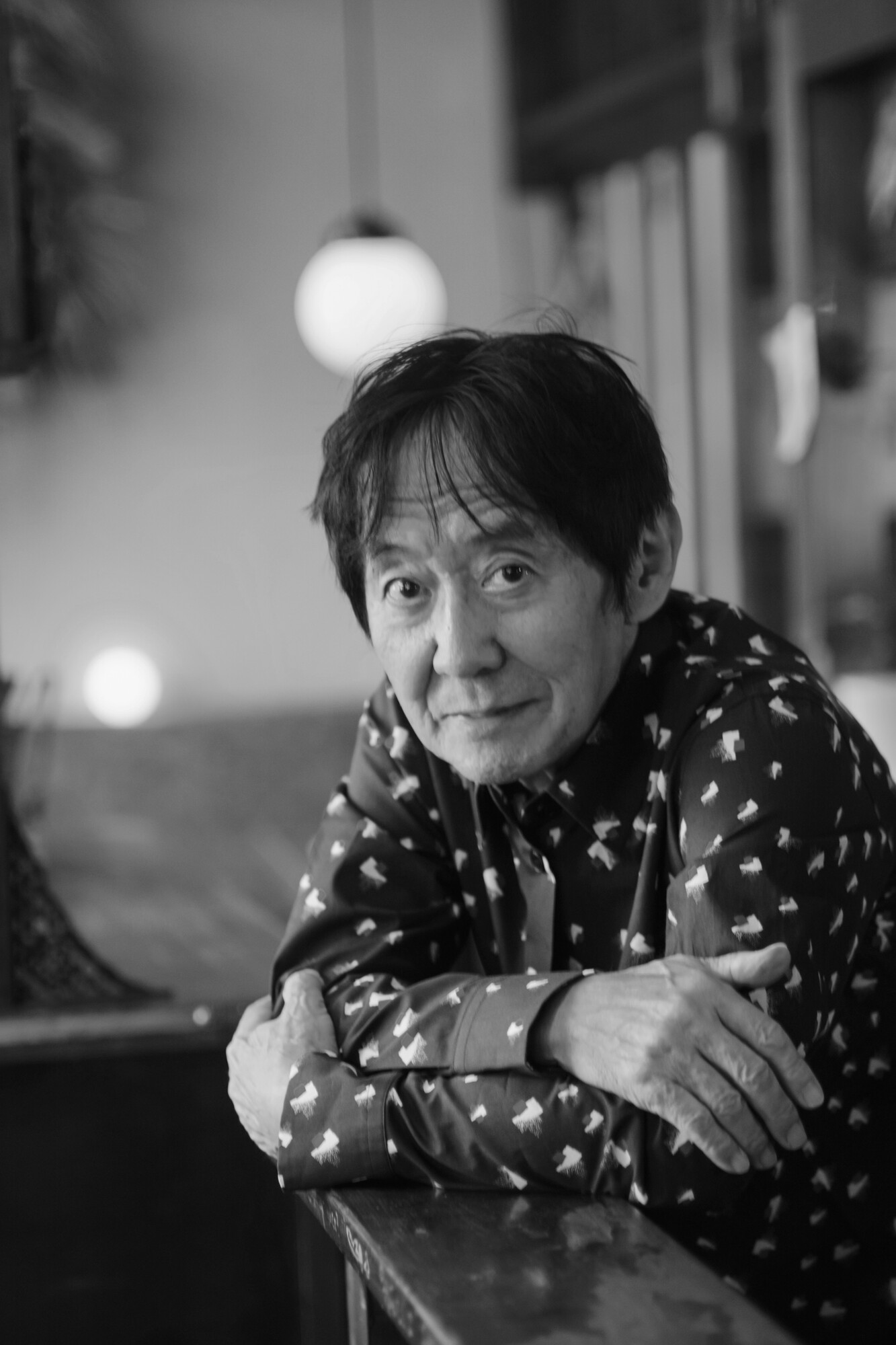
Singer-songwriter, composer, lyricist, arranger, music producer, and guitarist. Born on December 24, 1950, in Ikeda City, Osaka Prefecture. In 1972, he made his major debut with "Rurako-chan tara" as a member of "Goma no Hae" (later renamed "Coconut Bank").
He subsequently joined "Sugar Babe" alongside Tatsuro Yamashita and Taeko Onuki. In 1975, he co-wrote the classic song "DownTown" with Tatsuro Yamashita, and in 1976 he released "NIAGARA TRIANGLE Vol.1" together with Eiichi Ohtaki and Tatsuro Yamashita.
As an arranger and producer, he has worked with numerous artists including Kenji Sawada and Ann Lewis. He is widely known for composing "Uki Uki Watching," the theme song for the TV program "Waratte Iitomo!" (1982), and for serving as a judge on the TV show "Ikasu Band Tengoku" (1989). In the 1990s, as a producer, he led the band Ulfuls to major success.
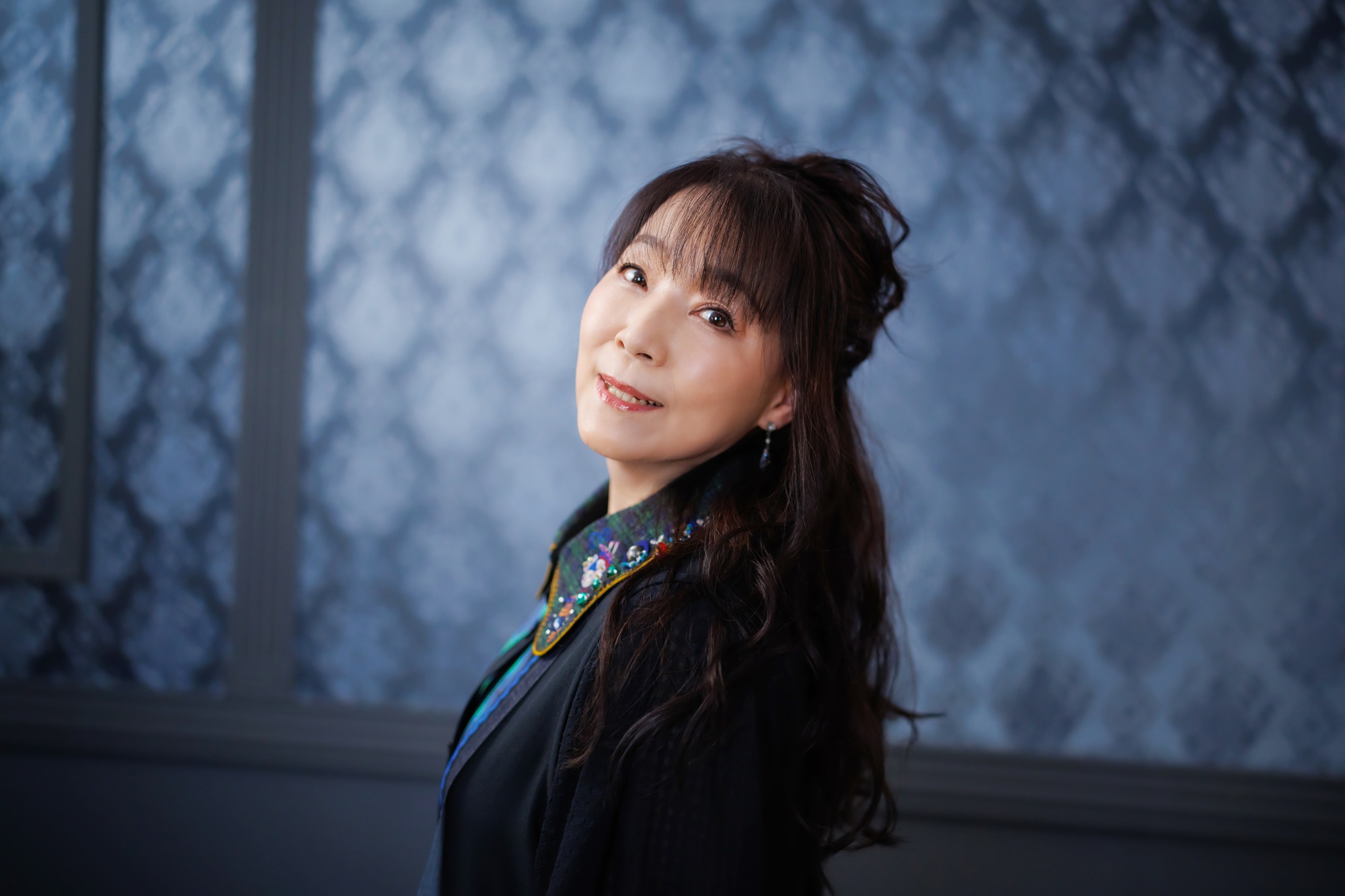
She made her debut in 1976 with the single "Meiso" / "Fuyu no Poster." She is known for many signature songs, including "Meiso," "My Pure Lady," and "My Song For You." From her third year as a recording artist, she began writing songs for other artists, making her a pioneer of the modern artist-producer.
Her major hits—such as "Haru no Yokan" for Saori Minami, "Olivia wo Kikinagara" for Anri, "Anata no Sora wo Tobitai" for Mariko Takahashi, "Tenshi no Wink" for Seiko Matsuda, and "Densetsu no Shojo" for Arisa Mizuki—have helped shape the Japanese music scene.
In 2026, marking the 50th anniversary of her debut, she is scheduled to release anniversary works from several labels. On October 10, she will hold a concert celebrating her 50th debut anniversary at Tokyo International Forum Hall C.
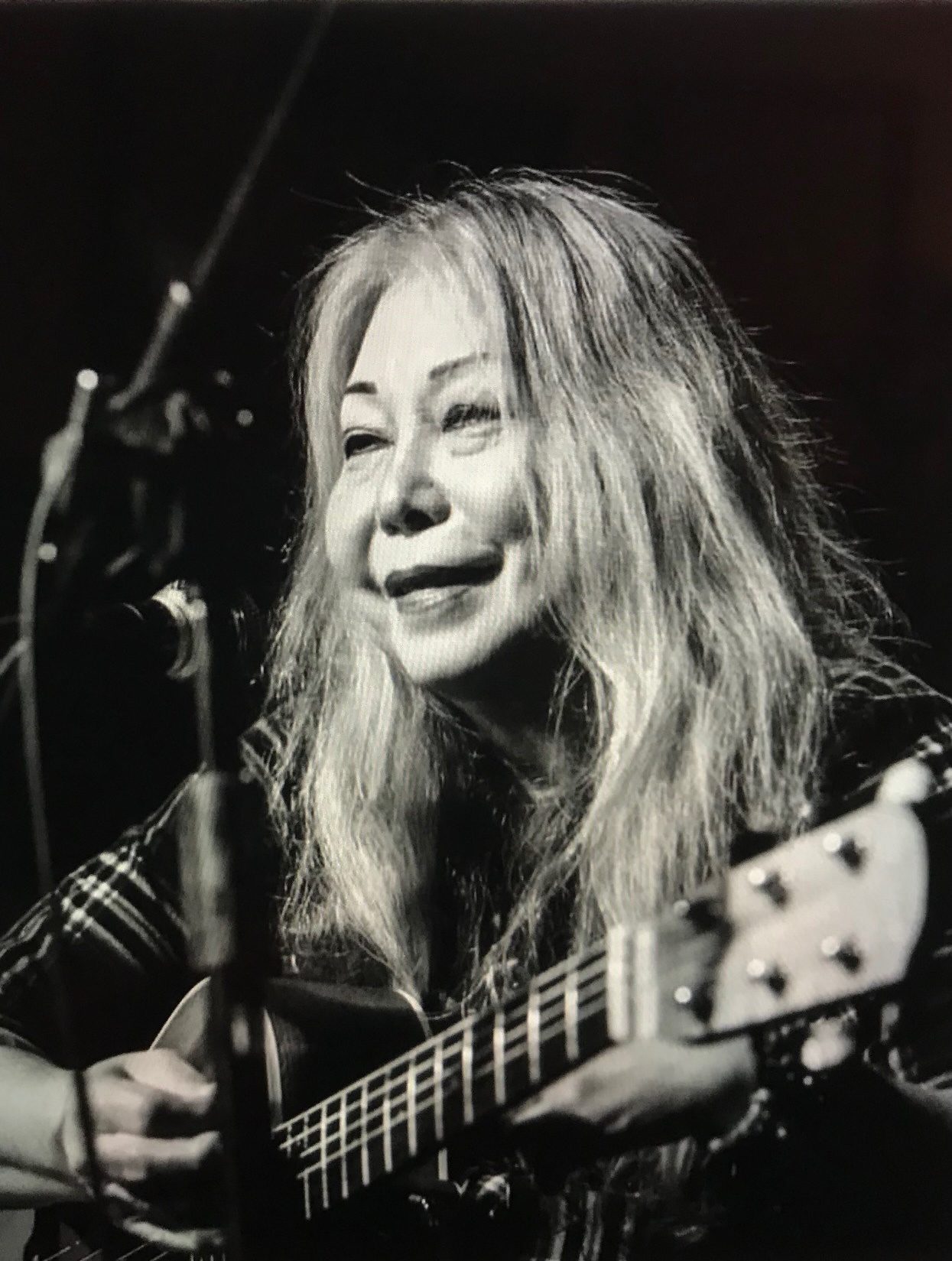
Born in 1948 in Osaka Prefecture. A singer-songwriter now based in the United States. From 1966 to 1969, she began performing in several Kansai folk groups, sharing the stage with artists such as Kyozo Nishioka, Tomoya Takaishi, Isato Nakagawa, Goro Nakagawa, and Koichi Matsuda. Two singles were released through URC (Japan's first independent label), but each of her groups eventually disbanded.
In 1970, she moved to Tokyo and began singing as an opening act for the Black Tent theater troupe, among others. Her encounter with "Happy End"—her label-mates at URC—would later lead to her solo album "Misora." In July 1971, she released her solo debut single "Toki ni Makasete" / "Hoshi no Densetsu" on the Victor SF label. In September 1972, she released her first solo album "Misora" on URC, featuring Haruomi Hosono (Bass), Tatsuo Hayashi (Drums), and Shigeru Suzuki (Guitar). She moved to the United States before the album was even released.
After marriage and motherhood, she stepped away from the music industry for many years before returning in 1993 with the album "SEIZE FIRE." "Misora," the work that became synonymous with her name, was reissued in Austria (2006), Spain (2007), and the USA (2019), and has continued to be released in various forms in Japan from 1989 through 2026 across many labels. In 2018, a concert titled "Sachiko Kanenobu: Misora, 45 Years On" was held in Daikanyama, Tokyo. In 2023, her song "Aoi Sakana" was featured as an insert song in Wim Wenders' film "Perfect Days."
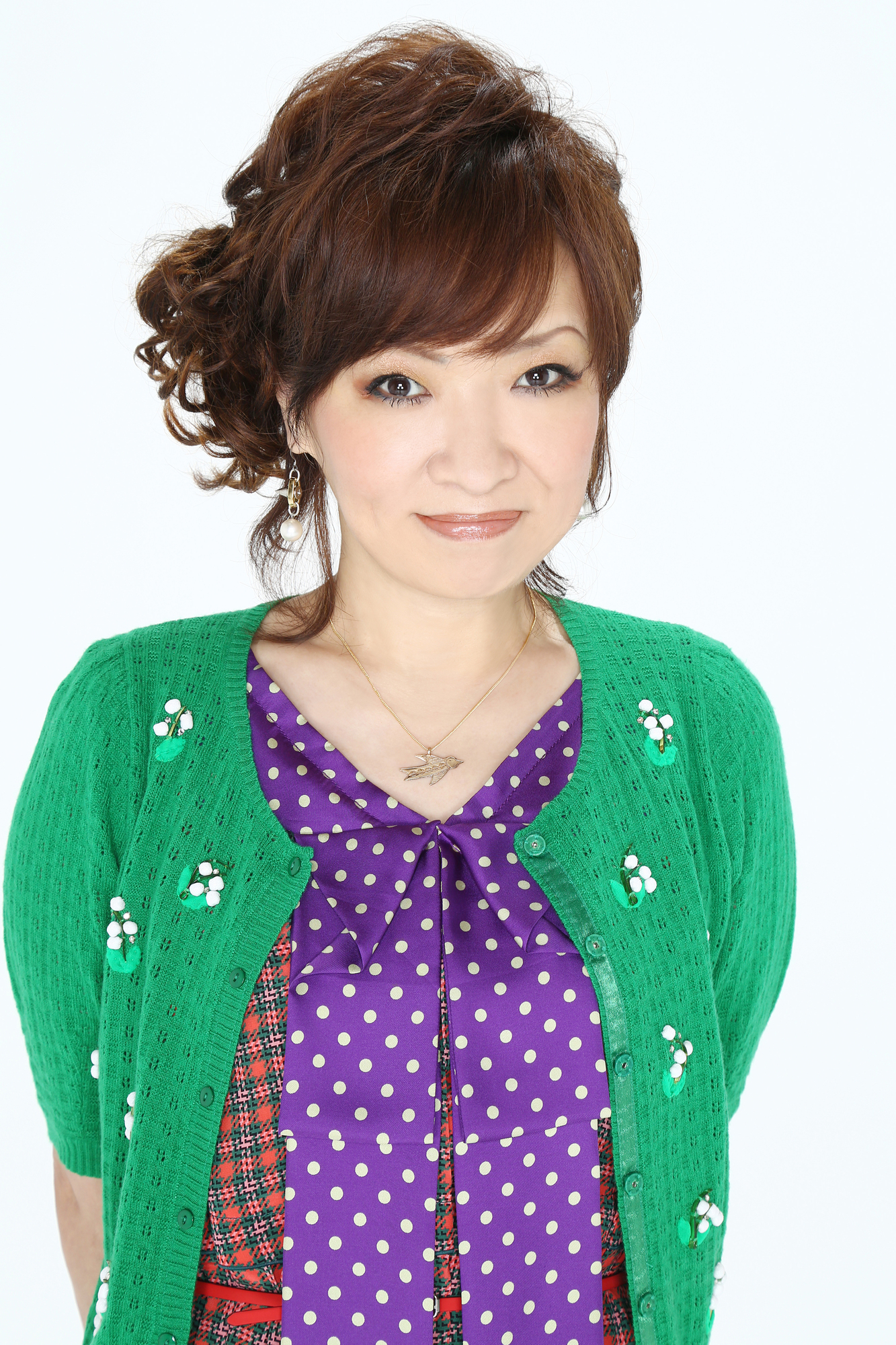
Born in Takayama City, Gifu Prefecture. She performed her first live show at Shibuya Jean-Jean in 1986. In 1987, she made her nationwide debut as a regular on Fuji TV's "Waratte Iitomo!", and made her CD debut that December with "Shiawase no Kotcho."
On "Yume de Aetara," which began the following year (1988), she appeared as a regular alongside Downtown, Ucchan Nanchan, and Naoko Nozawa, and her character "Midori Ijuin" became a breakout hit.
Since then, she has been celebrated for her distinctive impersonations and refined musical parodies, remaining active across a wide range of fields including television, radio, film, writing, and CD production. She received the Minister of Education, Culture, Sports, Science and Technology's Art Encouragement Prize for FY Reiwa 7. Her New Year performances at the Nippon Budokan have also become an annual tradition.
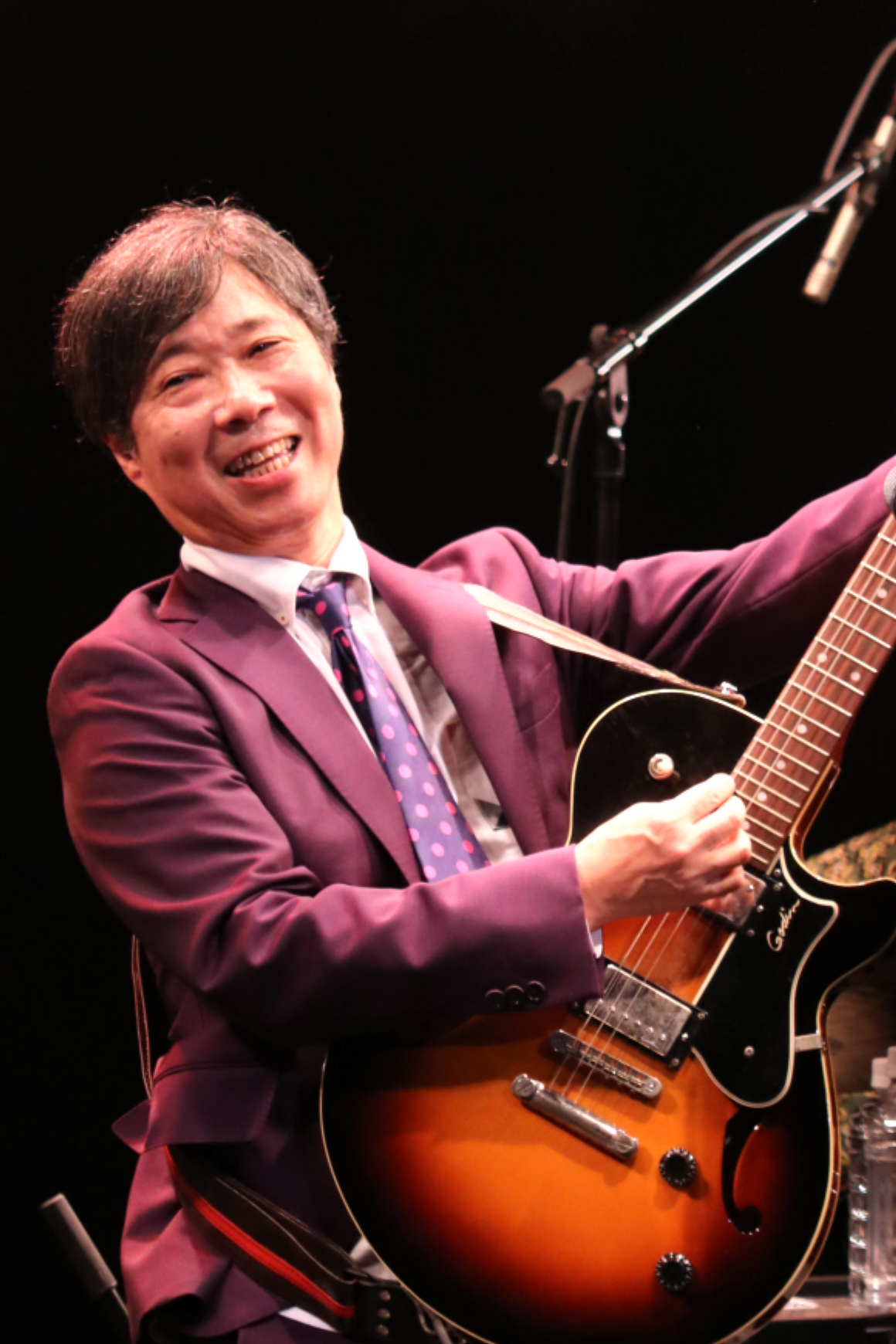
Singer-songwriter. Born on March 14, 1954, in Fukuoka City. In the fifth grade of elementary school, he encountered the Beatles and was deeply moved; by junior high he had picked up the guitar and begun composing. In 1977, while a student at Keio University, he made his debut with the single "Omoide no Uzu."
As a composer, he has written more than 300 songs for a wide range of singers, including the late Kaoru Sudo, Hi-Fi SET, Mariya Takeuchi, Seiko Matsuda, and Momoe Yamaguchi. He has also written numerous commercial jingles, and his song "Whisky ga, Osuki Desho" has been covered by many artists. He is also active as a radio personality.
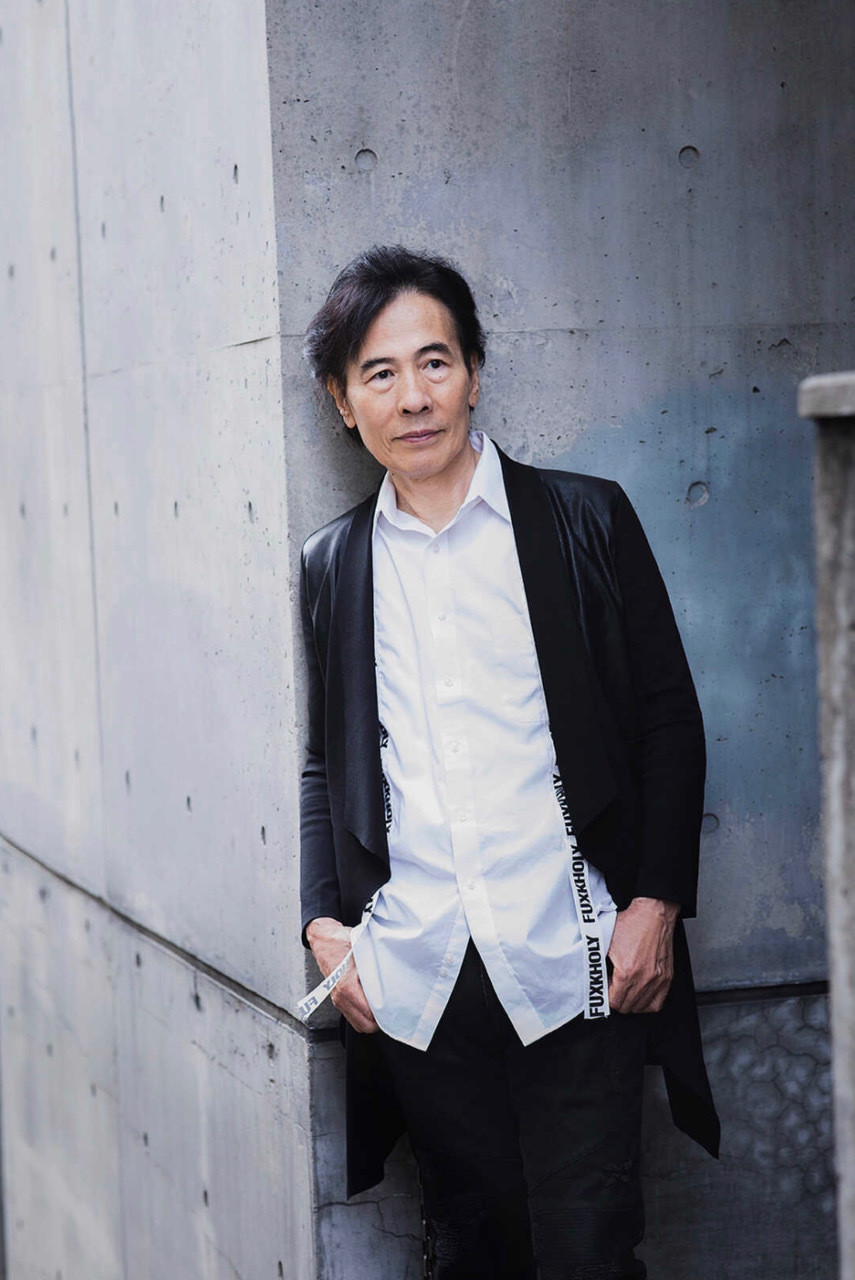
Guitarist. Born in 1951 in Setagaya, Tokyo. In 1969, he joined "Happy End." After the band disbanded, he traveled to the United States in 1974 to create the acclaimed album "BAND WAGON." Upon returning to Japan, he continued his live activities with "Shigeru Suzuki & Hucklebuck."
He has also been involved in countless masterpieces as an arranger and producer. Today, centered on his solo work, he continues to perform at the forefront across a wide range of fields—from the dawn of Japanese rock right through to the present day.
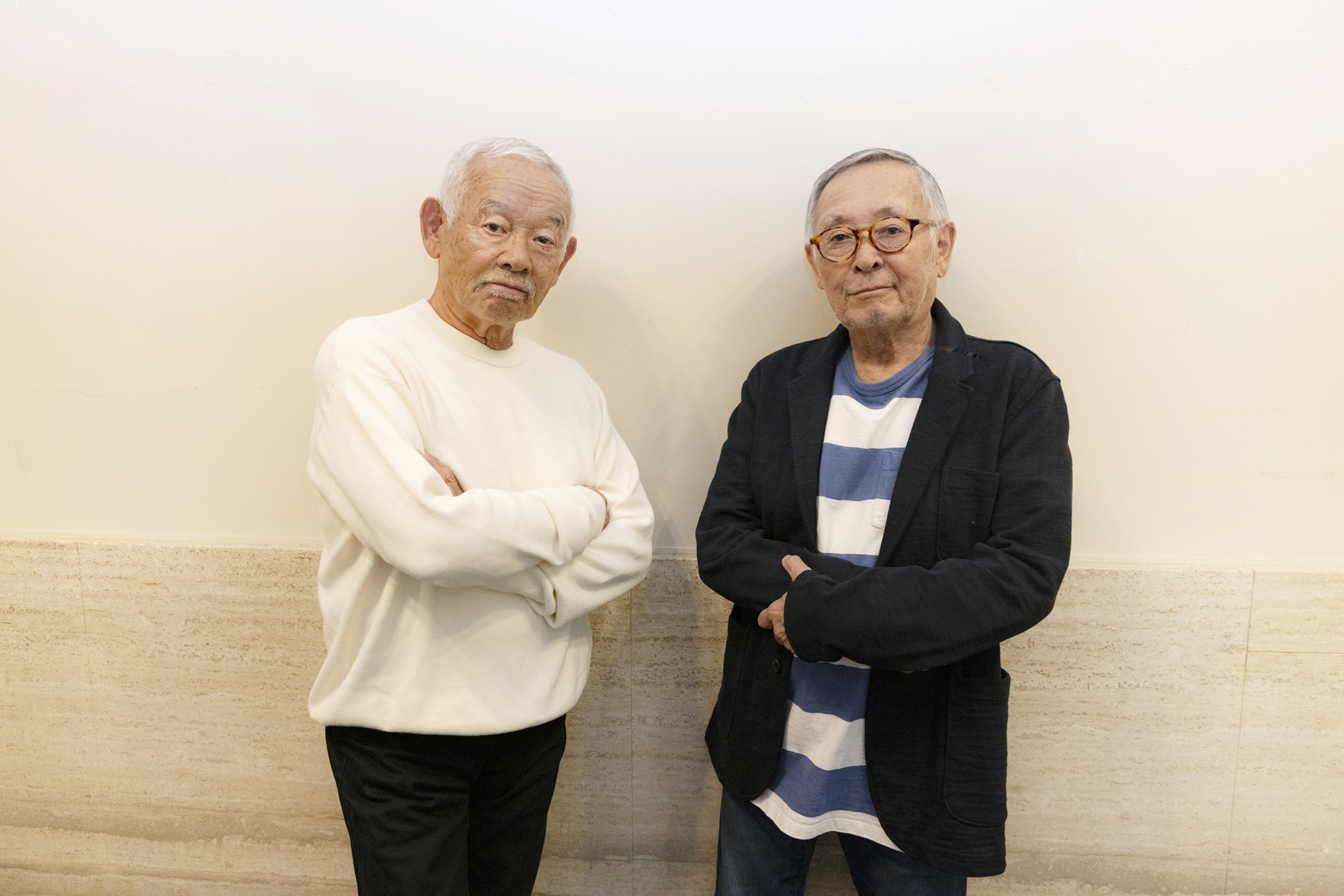
Since their debut in 1969, Bread & Butter have released work consistently, captivating countless fans with their soothing vocals and harmonies. They perform energetically everywhere from live houses to concert halls, earning high acclaim not only for their full-band performances but also for their acoustic shows with just a single guitar.
They have built broad relationships with musicians at home and abroad, including Stevie Wonder, Yosui Inoue, and Yumi Matsutoya, helping to lay the foundations of the Japanese music scene. Their signature works include "Ano Koro no Mama," "Hotel Pacific," "Shonan Girl," "Pink Shadow," "Marie," and "Yasei no Uma."
In September 2024, to commemorate the 55th anniversary of their debut, they released a two-disc best album crossing label boundaries, "The Singles -55th Anniv. All Time Best-." They remain active to this day, continuously delivering their one-of-a-kind sound through concerts as well as television and radio appearances.
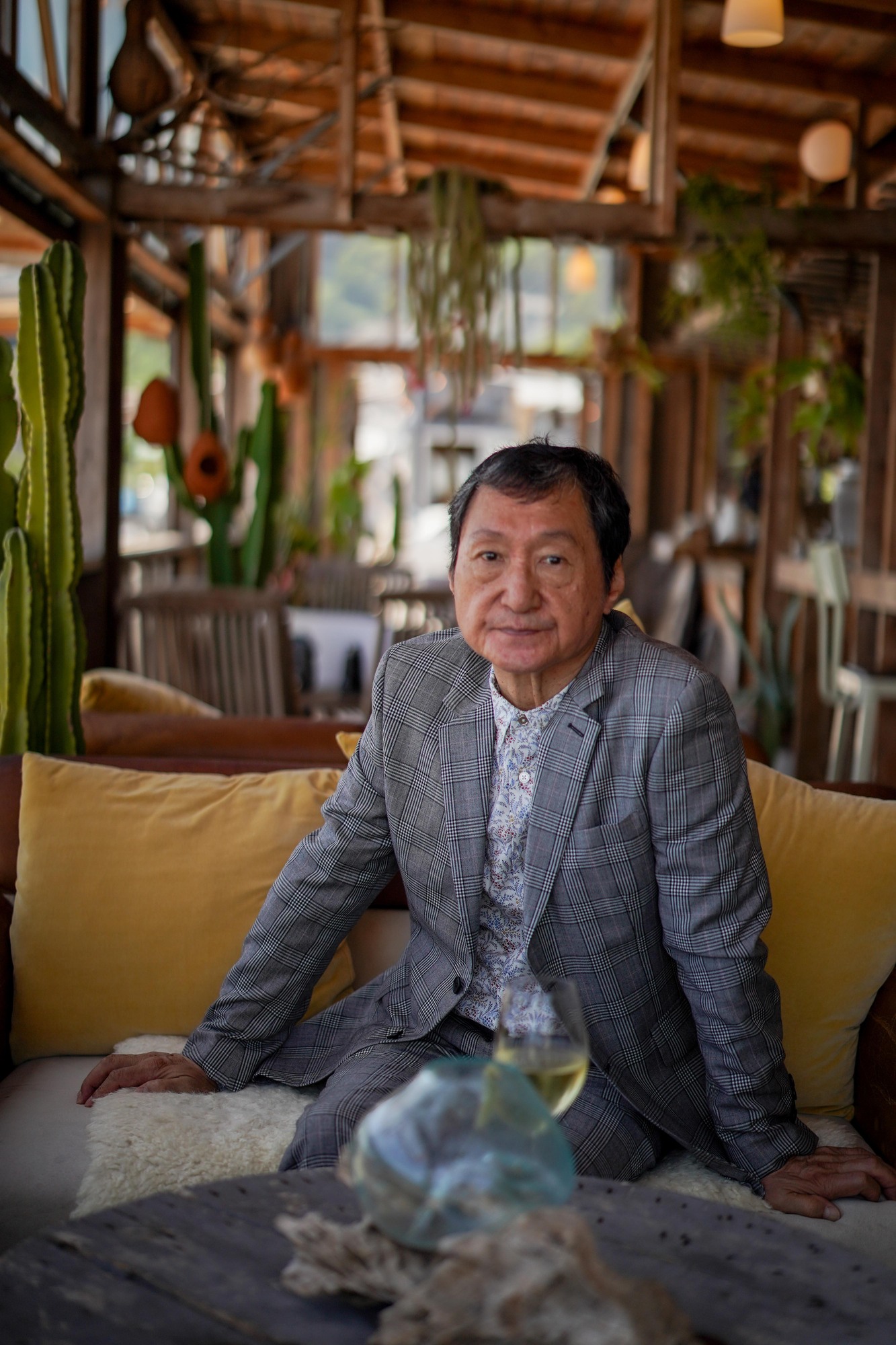
Born in Ota Ward, Tokyo. Singer-songwriter. He began composing while a student at Meiji Gakuin University, and in 1973 made his debut with the album "Matenro no Heroine," produced by Takashi Matsumoto.
In 1979, he released "SPEAK LOW," which featured his signature song "Monroe Walk"—later covered by Hiromi Go. In 1981, he composed the soundtrack for the film "Slow na Boogie ni Shitekure," and the title song became a hit.
In September 2023, he celebrated the 50th anniversary of his debut with a 50th Anniversary festival at Tokyo International Forum Hall C. In May 2025, he released a new album, "Aishita Kazu dake." He remains energetically active in live performance, including his acclaimed "Soloism" guitar-and-piano solo shows as well as full-band performances.
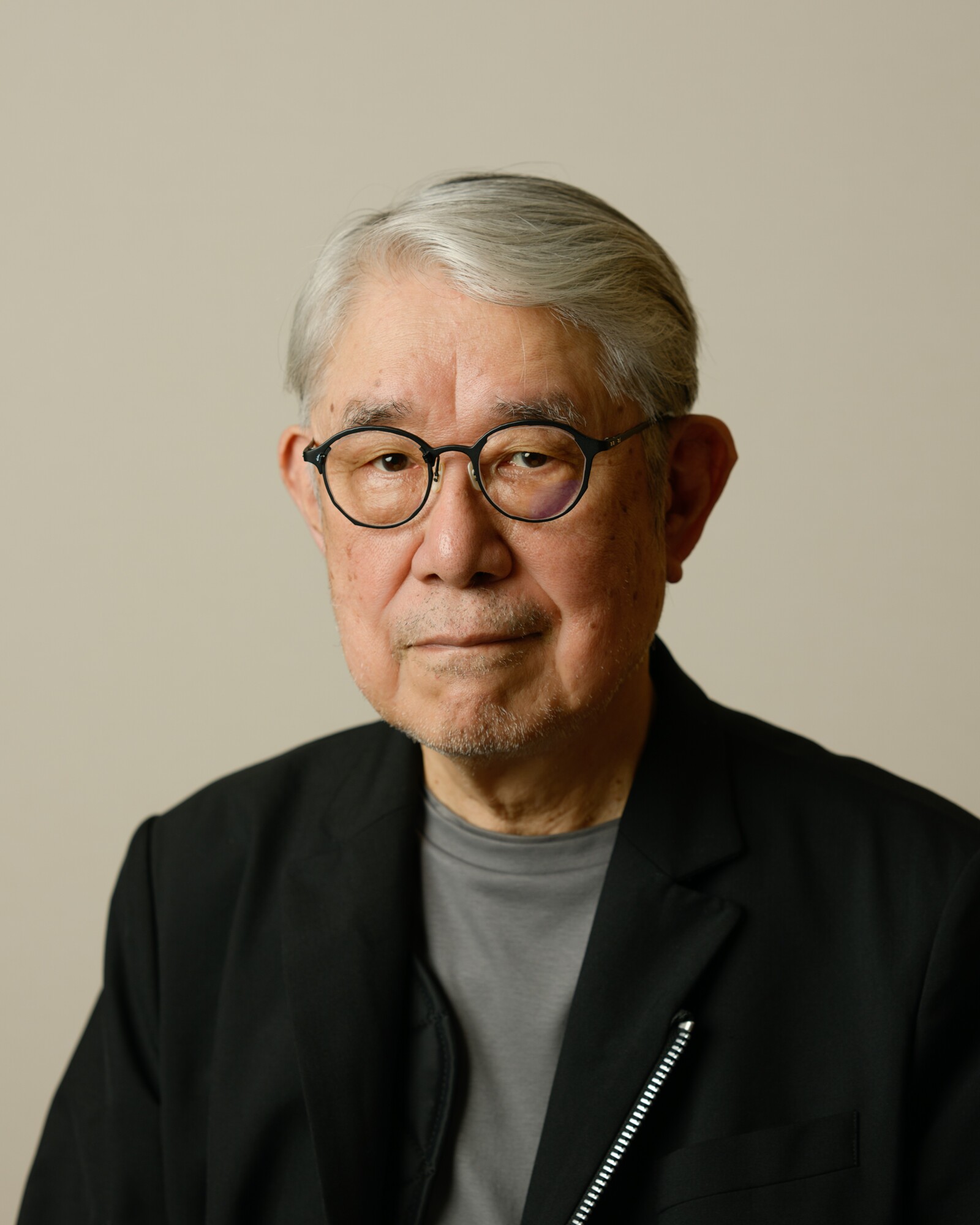
Lyricist. Born on July 16, 1949, in Tokyo. In 1969, he formed the rock band "Happy End" together with Haruomi Hosono, Eiichi Ohtaki, and Shigeru Suzuki, handling drums and lyrics. He pioneered "rock sung in Japanese," exerting a profound influence on the subsequent Japanese pop music scene.
After "Happy End" disbanded, he devoted himself to lyric writing. The 1975 hit "Momen no Handkerchief" (sung by Hiromi Ota) brought him wide attention, and in 1981 he won the 23rd Japan Record Award for "Ruby no Yubiwa." He has provided lyrics to more than 400 artists—including Agnes Chan, KinKi Kids, Masahiko Kondo, Seiko Matsuda, and Hiroko Yakushimaru—producing countless hits.
He received the 66th Art Encouragement Prize from the Minister of Education, Culture, Sports, Science and Technology in 2016, and the Medal with Purple Ribbon in 2017. In 2025, marking the 55th anniversary of his songwriting career, he held "Kazemachi Poetic 2025" at Tokyo International Forum Hall A. His lyrics number more than 2,100 songs, with over 50 reaching No. 1 on the Oricon hit chart and more than 130 entering the Top Ten.
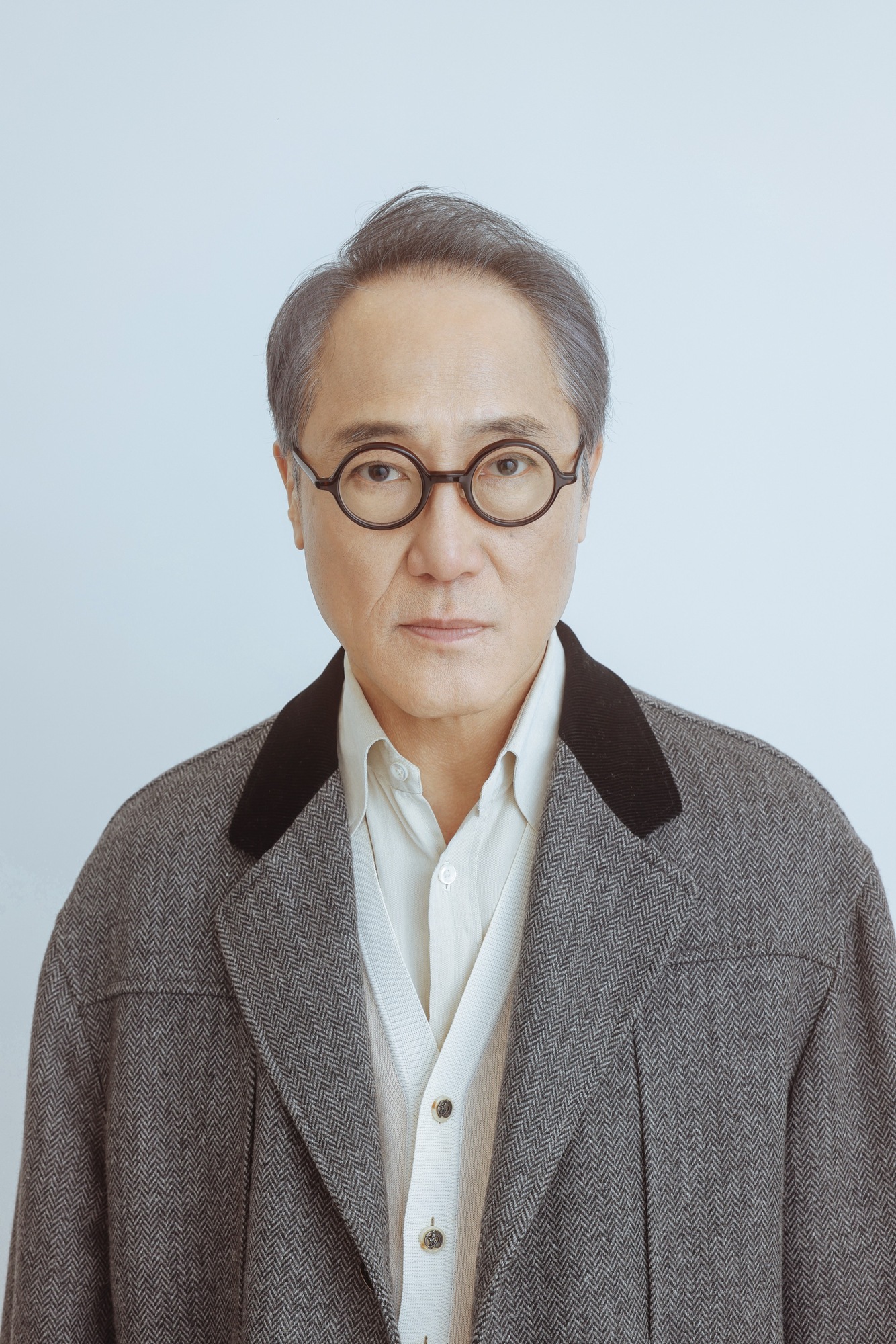
Born in 1955 in Matsue City, Shimane Prefecture. In 1975, he took part in founding the theater company Shakespeare Theatre. In 1992, his role as Fuyuhiko in the TV drama series "Zutto Anata ga Suki datta" became a social phenomenon.
In 2025, he played the role of the Governor of Shimane Prefecture in the NHK morning drama "Bakebake." In music, he released a full album in 2023, "Shiro Sano meets SKYE 'ALBUM.'"
Born on May 21, 1951, in Tokyo. From 1972, he was active in Caramel Mama (Tin Pan Alley) together with Haruomi Hosono, Shigeru Suzuki, and Masataka Matsutoya. He has contributed to numerous works by artists such as Yumi Arai and Yoshitaka Minami.
In 2021, he made his debut as a member of SKYE (Shigeru Suzuki, Ray Ohara, Tatsuo Hayashi, Masataka Matsutoya). In 2020, he published the book "Tokyo Backbeat Zoku: The Autobiography of Tatsuo Hayashi."
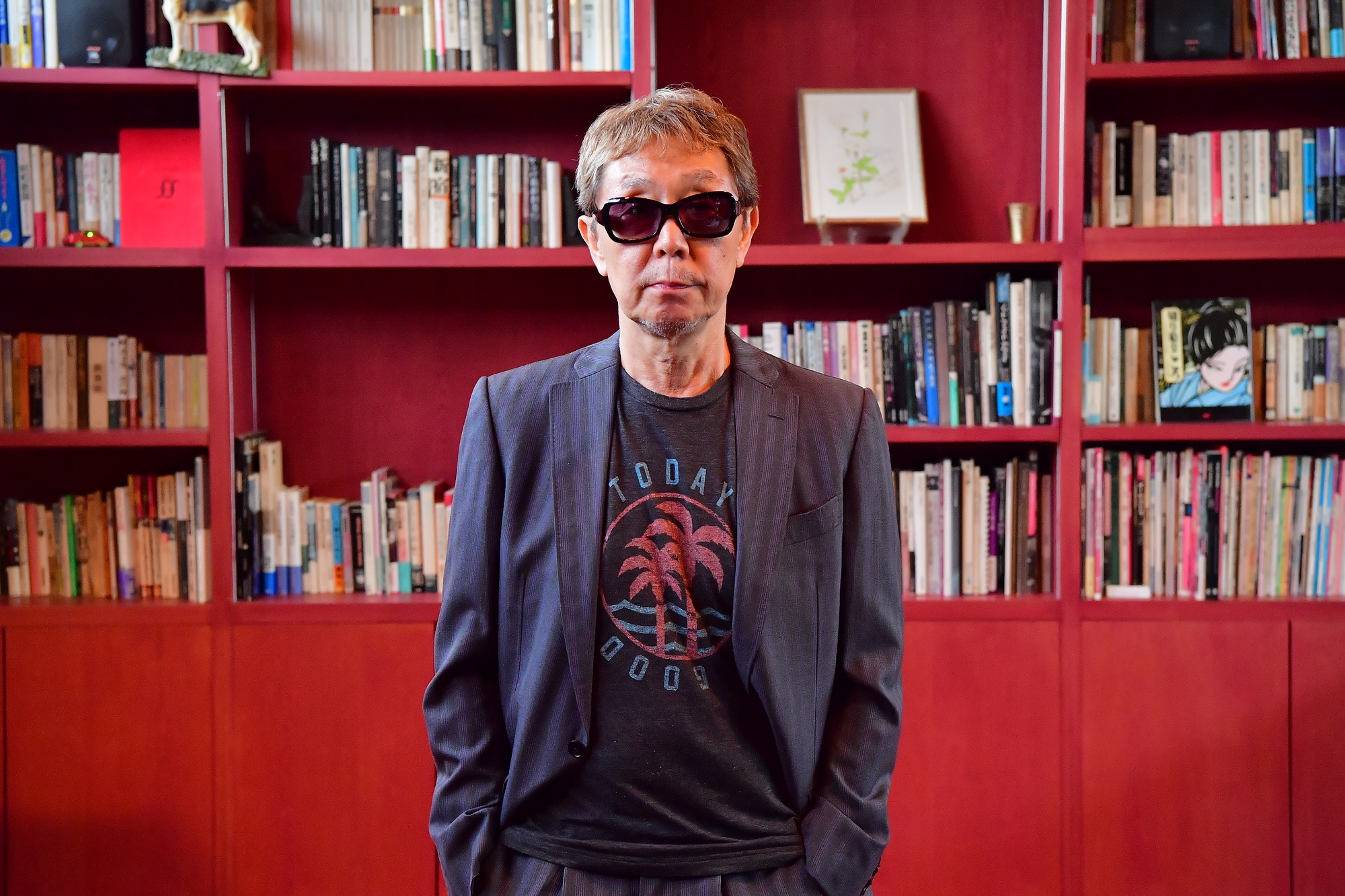
Born in 1951 in Tokyo. In 1972, he joined Sadistic Mika Band as a bassist, becoming part of the first Japanese band to make its debut in the UK.
In 2021, he made his debut as a member of SKYE, and in 2024 the group released its second album, "Collage."
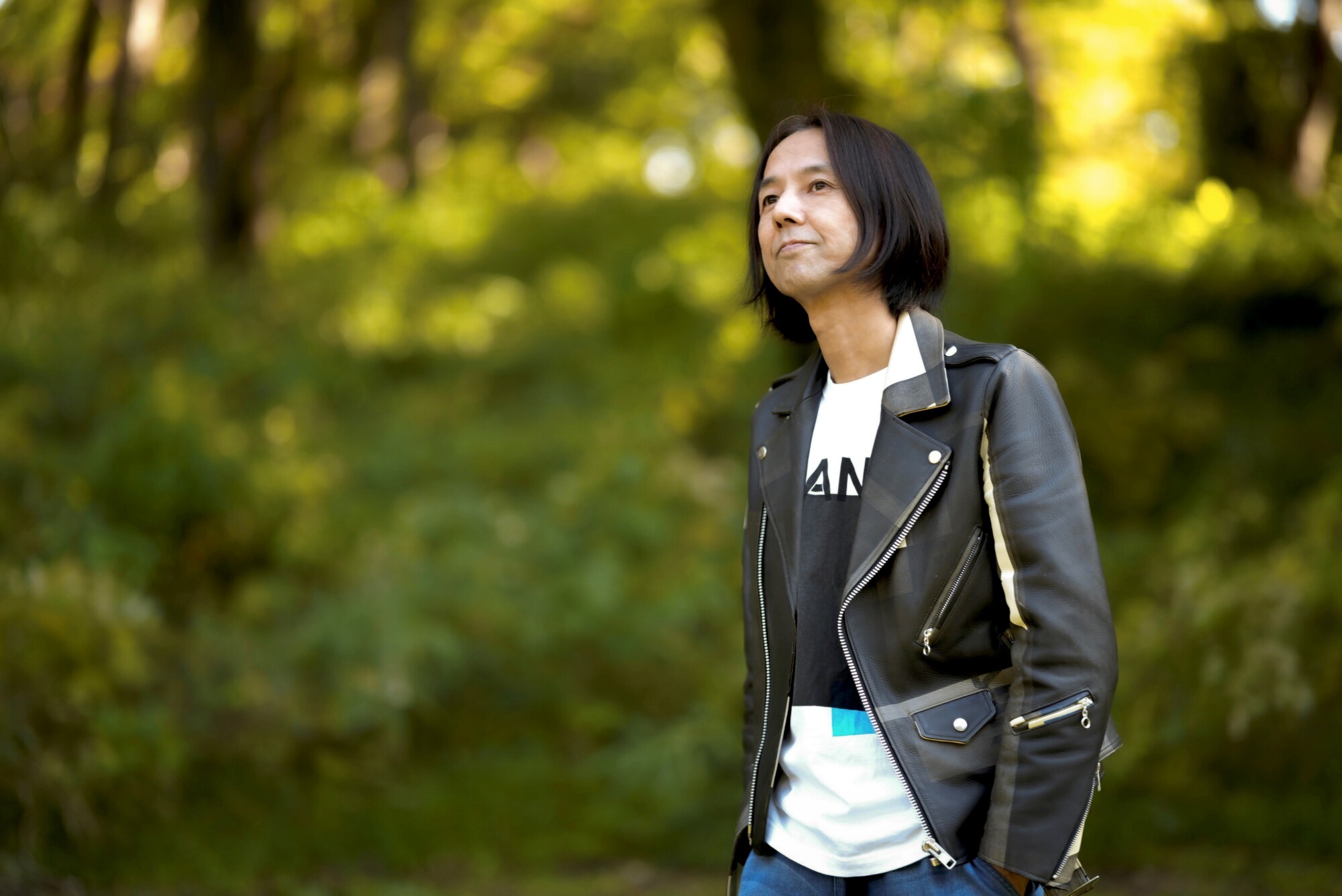
Singer-songwriter, guitarist, and sound producer. Born in 1964. In 1988, he made his solo debut with the album "hullo hulloa," produced by Yukihiro Takahashi. To date he has released 23 solo albums, including best-of compilations.
As a guitarist, he has also taken part in the live performances and recordings of many artists, including YMO, Yukihiro Takahashi, Haruomi Hosono, and Gen Hoshino. As a touring member for Ryuichi Sakamoto and Kazufumi Miyazawa, he has performed in more than 20 countries in total.
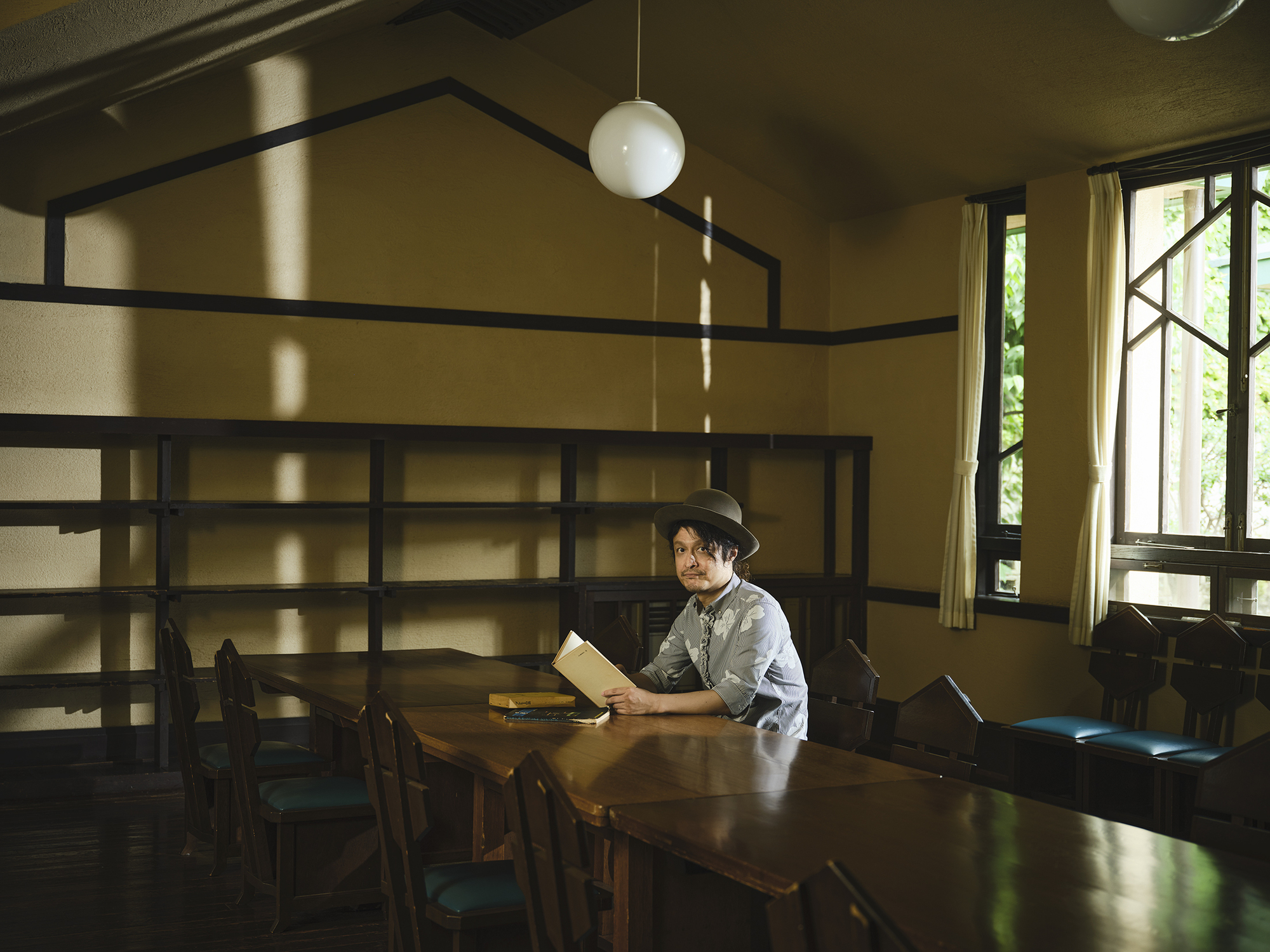
Born in 1973. The eldest son of folk singer Wataru Takada. He wears many hats as a musician, producer, composer, arranger, and writer, and is a multi-string instrumentalist.
His 2017 album "Night Riders Blues" won the Excellent Album Award at the 59th Japan Record Awards. In 2025, he published his first novel, "Machi no Kanata no Sora Tooku."
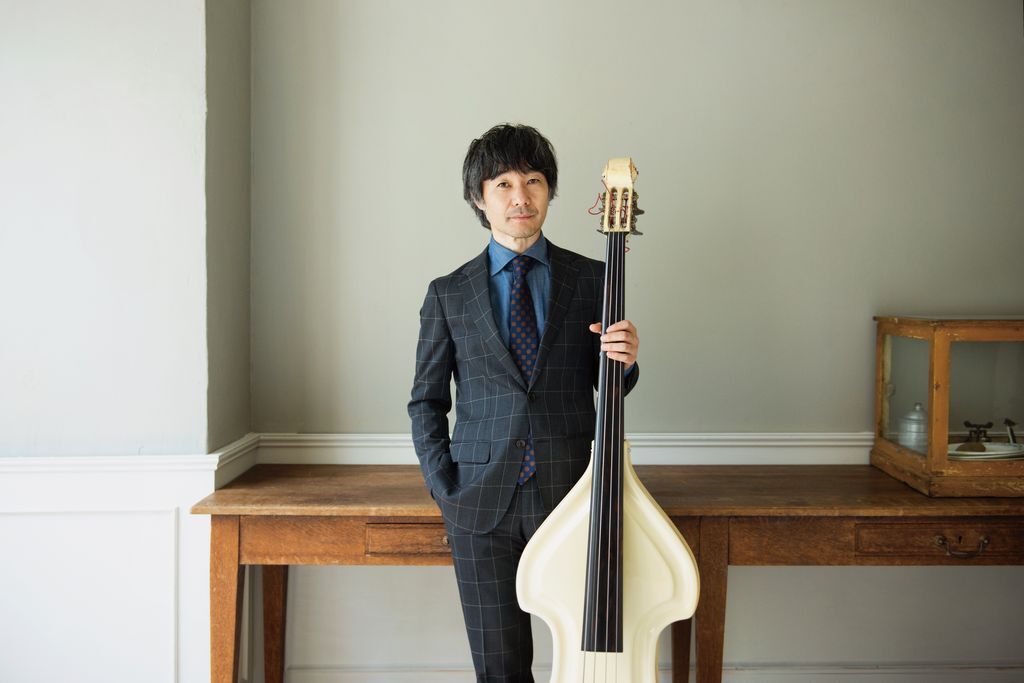
Born in Miyagi Prefecture. After moving to Tokyo in 1996, he joined the Japanese-language soul band "benzo," making his major debut in 1998.
Today he is active as a support bassist for a wide range of musicians, including Haruomi Hosono, Keiichi Sokabe, Yuichi Ohata, Saho Terao, and Hanaregumi. He also performs as a band member of "lake" and "Fuyu ni Wakarete."
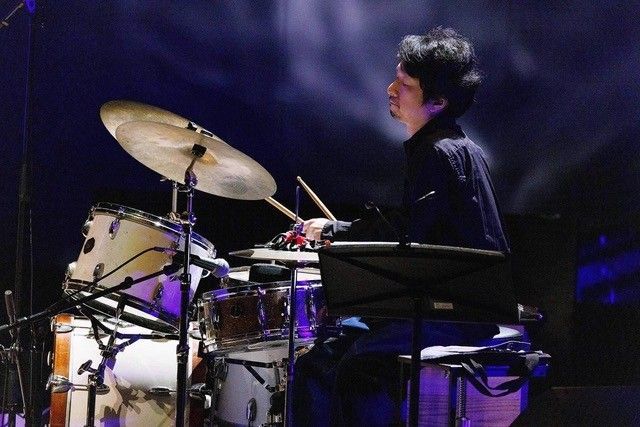
Born in 1973. He started playing drums at the age of 10. He has been active for nearly 30 years as a drummer with a versatile playing style ranging from pop to free jazz.
In recent years, his activities have been wide-ranging, including support work for Taeko Onuki, Rika Tanaka, and T-Jiro's, the father-and-son band Akira Sakata SOS, and improvised sessions.
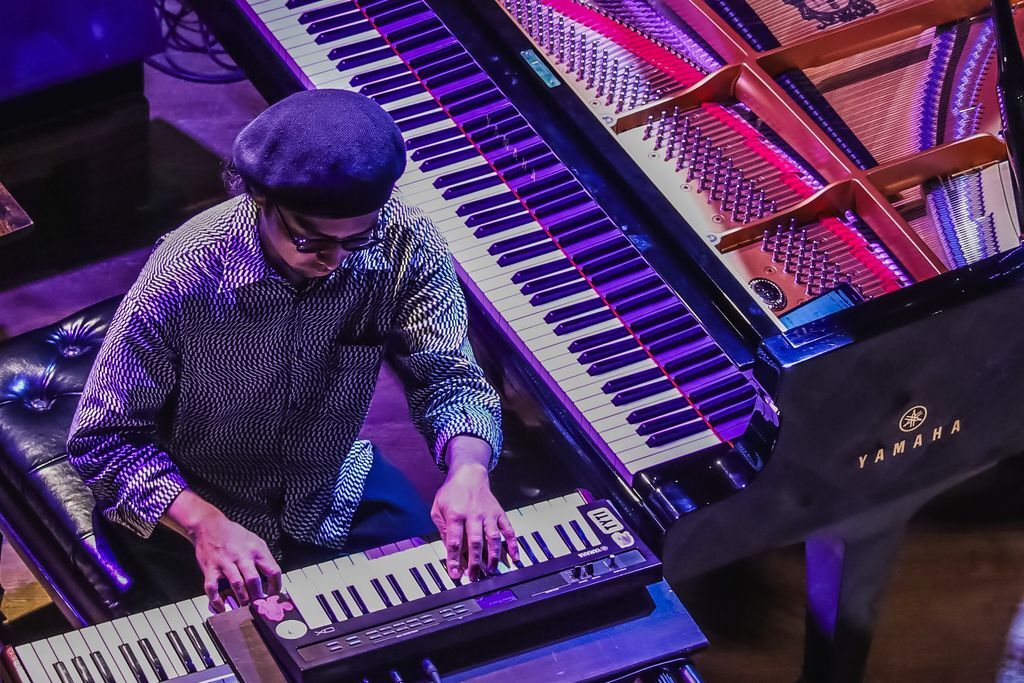
Born in Kyoto in April 1975. He began his career in 1999 as the pianist/keyboardist for "EGO-WRAPPIN'."
As a pianist and composer/arranger, he has taken part in recordings and tours for a variety of artists. He is also developing his own solo work "TYTI" and activities with the band "HIMIZ."
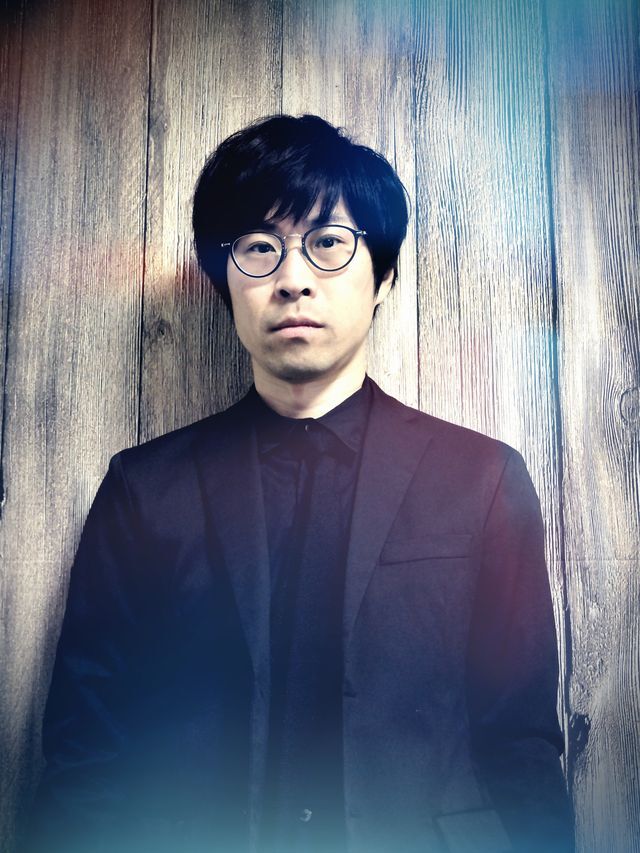
Vocalist, chorus singer, and vocal trainer. He has taken part in the live performances and recordings of numerous artists, including Yukihiro Takahashi, Tomita Lab, Mika Nakashima, and Smooth Ace, and is broadly active in film and anime scores, commercials, and game music as well.
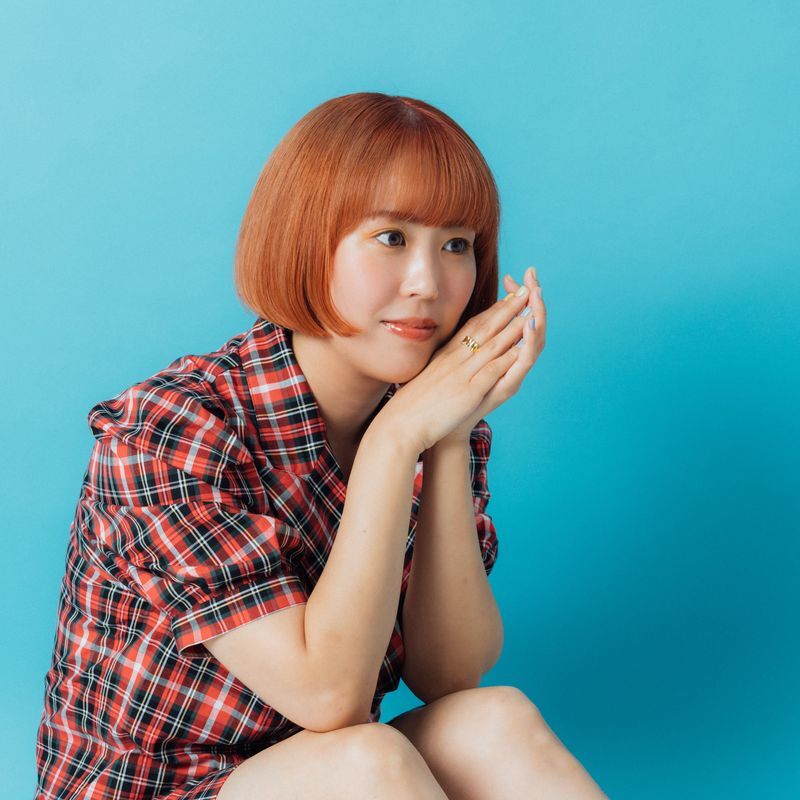
A singer whose supple, expansive voice adapts gracefully to any setting. As a singer-songwriter, she delivers her own brand of "quality pop."